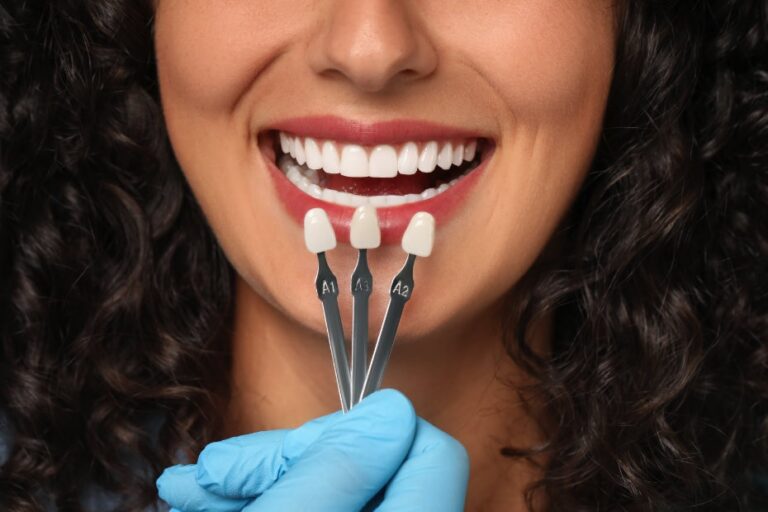
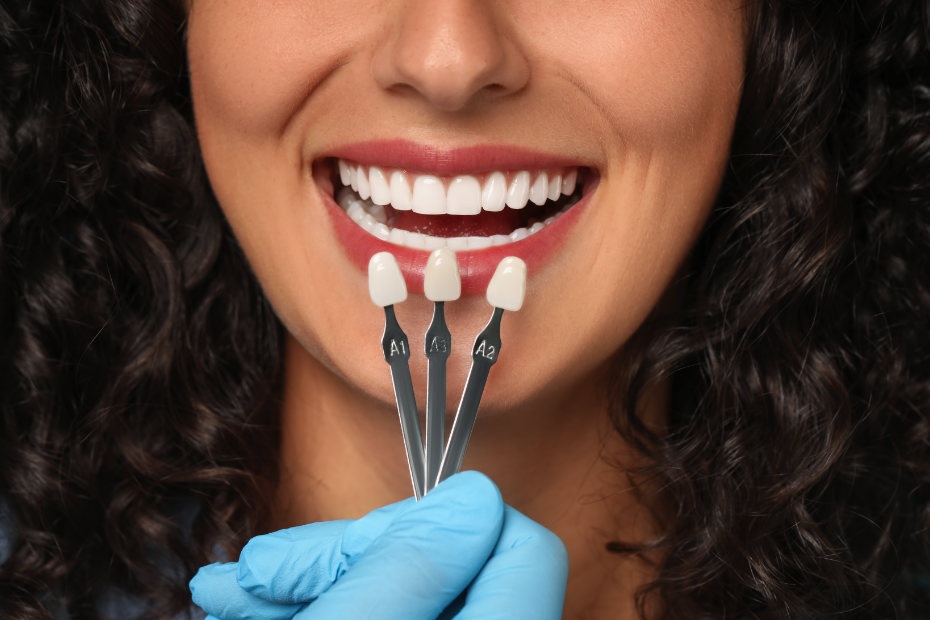
Porcelain veneers have become one of the most requested cosmetic dental treatments in London because they offer a reliable way to change the look of a smile without extensive surgery. They are thin ceramic shells bonded to the front surface of teeth to improve colour, shape, alignment, and overall balance. Many people consider veneers when whitening no longer works or when orthodontics feels like too large a commitment. Others arrive at the clinic after researching options such as crowns or even a veneers London practice might provide, but decide that veneers are the most conservative route to a better smile. The appeal lies in their ability to deliver a visible change quickly while still preserving most of the natural tooth structure. For busy professionals, parents, and retirees alike, that balance between aesthetics and practicality is what keeps veneers high on the list of treatment choices.
Early in the decision process, professional guidance is essential. A dentist from MaryleboneSmileClinic recently noted that patients who take time to understand how veneers London compare with other treatments often make more confident and lasting choices. In their words, anyone considering cosmetic work should visit the clinic’s website to see before-and-after cases and detailed explanations of how porcelain veneers are designed and fitted. This kind of clear, visual information helps patients understand what is realistic for their own smile and ensures expectations are aligned before treatment begins. With that foundation in place, the advantages of veneers become easier to appreciate in a practical, grounded way.
Benefit One: Natural Appearance and Lifelike Materials
One of the strongest arguments in favour of porcelain veneers is how closely they resemble natural tooth enamel. Modern dental ceramics are engineered to reflect light in a similar way to real teeth, which means veneers do not look flat or artificial when you speak or smile. Skilled technicians layer the porcelain in subtle shades, creating depth and translucency that mimics the structure of enamel and dentine. For London patients who often work in client-facing roles or simply want to feel confident in social settings, this realism matters. People rarely notice veneers themselves; they notice a healthy, balanced smile.
This natural look also supports long-term satisfaction. Unlike some older cosmetic options, porcelain veneers resist staining from coffee, tea, and red wine, all of which are staples in everyday British life. That means the brightness achieved at the time of fitting is more likely to remain consistent for years. When veneers are carefully matched to the surrounding teeth, they blend seamlessly, avoiding the patchy appearance that can occur with uneven whitening or poorly matched crowns. The result is a smile that looks as though it has always been that way, rather than one that appears obviously treated.
Benefit Two: A Conservative Way to Improve Multiple Issues at Once
Because porcelain veneers can address multiple aesthetic issues at once, they are frequently referred to as a versatile treatment. One well-designed set of veneers can fix chips, small cracks, uneven spacing, and slight misalignment. Patients who want a substantial change but do not want to endure extensive orthodontic therapy or numerous procedures will find this especially beneficial. Veneers are a more conservative option than crowns since they often need less destruction of the original tooth structure.
From a practical standpoint, this conservatism has health benefits. Preserving more of the original tooth reduces the risk of sensitivity and keeps future treatment options open. In a city like London, where people are increasingly aware of preventive health, this approach fits well with a broader desire to maintain what is already healthy. It also means that veneers can often be placed more quickly than other restorative options, making them appealing to those who want to see results without months of appointments. In this way, veneers bridge the gap between purely cosmetic treatments and more extensive restorative dentistry.
Benefit Three: Durability That Supports Long-Term Value
Although veneers are thin, they are surprisingly strong. High-quality porcelain can withstand the forces of everyday biting and chewing when it is properly bonded to a prepared tooth. Most patients can expect their veneers to last well over a decade, provided they maintain good oral hygiene and avoid habits such as nail biting or using teeth to open packaging. This durability makes veneers a sound investment, particularly for those who compare costs and outcomes across different cosmetic treatments.
Regular check-ups and professional cleaning help protect both veneers and the underlying teeth. Dentists also monitor the bite to ensure that no single veneer is taking excessive force, which could shorten its lifespan. In many cases, patients report that their veneers still look and feel comfortable many years after placement, with only minor polishing or adjustments needed. For people who value stability and predictability in their dental care, this reliability is a significant advantage that goes beyond simple appearance.
Benefit Four: Improved Confidence and Social Ease
A confident smile can influence how people speak, laugh, and interact with others. Porcelain veneers often provide a psychological lift as much as a physical change. Patients who were previously self-conscious about stained, uneven, or damaged teeth frequently find themselves smiling more freely once veneers are in place. This can have a knock-on effect in professional and personal life, where first impressions and ease of communication matter.
In London’s competitive working environment, feeling comfortable in meetings, presentations, and social events is not a small thing. While veneers are not a solution to every challenge, they can remove a source of anxiety that quietly undermines confidence. Over time, that sense of ease becomes part of daily life rather than something consciously noticed. Many patients describe it as a simple but meaningful shift, where they no longer think about hiding their teeth or limiting their expressions. Instead, their smile becomes a natural part of how they present themselves to the world.
Benefit Five: Low Maintenance Compared With Other Cosmetic Options
Once veneers are fitted, looking after them is straightforward. They do not require special products or complicated routines beyond normal brushing, flossing, and regular dental visits. Porcelain does not decay, although the natural tooth beneath still needs care, so maintaining good oral hygiene remains important. Compared with whitening treatments that need frequent top-ups or removable appliances that must be cleaned and stored, veneers offer a more hands-off experience.
This simplicity suits people with busy schedules who prefer a solution that fits into their existing habits. It also reduces the risk of user error, such as forgetting to wear an aligner or apply a whitening gel. Over time, this ease of maintenance supports the long-term success of the treatment, as patients are more likely to stick with routines that feel manageable. In a healthcare system that increasingly values prevention, the ability to keep cosmetic results stable with minimal extra effort is a clear advantage.
Benefit Six: Predictable Results Through Careful Planning
Another major benefit of porcelain veneers is the level of control they give both dentist and patient over the final result. Before any permanent changes are made, digital imaging and temporary mock-ups can be used to preview the shape, size, and shade of the veneers. This allows adjustments to be discussed and refined, reducing the risk of disappointment. Patients can see how their smile will look in context with their face, not just as a set of isolated teeth.
This predictability is particularly reassuring for those who are new to cosmetic dentistry. Knowing what to expect makes it easier to commit to treatment and budget for it with confidence. It also supports a more collaborative relationship between patient and dentist, where goals are clearly defined. In contrast to some other procedures where outcomes can vary, veneers offer a level of certainty that many people find comforting when making a long-term decision about their appearance and oral health.
Benefit Seven: How Veneers Fit Within Broader Dental Care
Porcelain veneers do not exist in isolation from the rest of dental care. They are most successful when they are part of a comprehensive plan that considers gum health, bite alignment, and the condition of the remaining teeth. In some cases, patients may combine veneers with other treatments to achieve the best result. For example, someone missing a tooth might choose veneers for the visible front teeth while also exploring a dental implant London clinic for a more complete restoration elsewhere in the mouth. This integrated approach ensures that cosmetic improvements do not come at the expense of function or long-term health.
By viewing veneers as one tool among many, dentists can tailor treatment to each individual rather than forcing every problem into the same solution. This flexibility is one of the reasons veneers remain popular even as technology advances. They adapt well to new diagnostic methods and materials, maintaining their place in modern dentistry. For patients, this means veneers can be part of a forward-looking plan that evolves as their needs change, rather than a short-term fix that limits future options.
Conclusion: A Practical Choice for Lasting Improvement
Porcelain veneers continue to earn their place in London’s dental practices because they combine aesthetics, durability, and conservative care in a way few other treatments can match. From their natural appearance to their low maintenance and predictable results, they address both the visible and practical aspects of a healthy smile. When guided by experienced professionals and fitted within a thoughtful treatment plan, veneers can provide years of comfort and confidence.
For anyone weighing up their options, the key is to see veneers not as a cosmetic indulgence but as a considered investment in how they look and feel each day. Whether the goal is to correct small imperfections or to support more comprehensive dental work, veneers offer a balanced, evidence-based solution. In a city where time, appearance, and wellbeing all compete for attention, that balance is precisely what keeps porcelain veneers at the forefront of modern cosmetic dentistry.
About the Author