Red, persistent, and often unpredictable, acne has long been the ultimate equalizer, affecting teens, adults, and every skin tone along the spectrum. Yet beneath the surface, the struggle is not the same for everyone. The search for a solution that works equally well for fair and deep skin, young and mature faces, has felt endless. Now, a new generation of laser technologies is rewriting the rules, finally offering hope for all.
Understanding Acne and Its Challenges Across Skin Types
What Causes Acne?
Acne is more than just clogged pores. It’s a complex interplay between hormones, excess oil (sebum) production, bacteria, and inflammation. The sebaceous glands, embedded deep within the skin, churn out oil that can trap dead skin cells and create the perfect breeding ground for breakouts. Genetics, stress, and environmental factors only add to the challenge.
Why Is Treating Acne on Different Skin Types Complex?
No two people’s skin responds the same way to treatment. For those with darker skin, standard therapies can trigger hyperpigmentation, dark spots that linger long after pimples fade. Sensitive or fair skin, on the other hand, is prone to redness and irritation from harsh medications or aggressive procedures. Age complicates matters, too. Teenagers battle hormonal surges, while adults may deal with cyclical or stress-related flare-ups, and even post-menopausal shifts.
Common Acne Treatments and Their Limitations
From over-the-counter creams to prescription pills, the acne arsenal is vast but not always effective. Topical treatments like retinoids and benzoyl peroxide can dry or irritate skin. Oral medications such as antibiotics and isotretinoin (formerly known as Accutane®) carry a risk of serious side effects, including birth defects, mood changes, and long-term dryness. Procedures like chemical peels or traditional laser resurfacing can help, but often come with downtime or risk of complications for certain skin tones.
Overview of Laser Treatments for Acne
How Do Traditional Laser Treatments Work?
Conventional laser therapies target specific components in the skin: pigment (to reduce dark spots), blood vessels (to calm redness), or water (to resurface scars). For acne, lasers are typically used to reduce oil production, kill bacteria, or stimulate collagen to heal scars.
What Are the Risks and Benefits of Conventional Lasers for Acne?
Traditional lasers can be powerful, but the results are inconsistent across skin types. Light-based devices may inadvertently heat melanin, the pigment responsible for skin color. In darker skin, this can cause burns or unwanted pigmentation. For sensitive or fair skin, there’s the risk of excessive redness, swelling, or peeling. While some patients see improvement, others are left managing new skin issues.
What Are the Limitations for Darker Skin Tones and Sensitive Skin?
Many lasers are simply off-limits for patients with deep or olive skin. Melanin absorbs the light energy meant for oil glands or bacteria, increasing the risk of complications. This has left millions with few safe, effective options, until now.
Introducing AviClear™: A Breakthrough in Acne Laser Therapy
What Makes AviClear™ Unique: Targeting the Sebaceous Gland
Enter AviClear™, the first and only FDA-cleared laser dedicated to treating mild to severe acne at the very source: the sebaceous gland. Instead of targeting pigment or blood vessels, AviClear™ zeroes in on the oil-producing glands beneath the skin’s surface. By suppressing sebum production, it treats the root cause of acne, not just the symptoms.
The Science Behind the 1726 nm Wavelength
AviClear’s™ innovation lies in its use of the 1726 nm wavelength. Unlike other lasers, this specific wavelength is absorbed almost exclusively by the sebaceous gland. It leaves melanin untouched, which means it won’t trigger hyperpigmentation or burns in darker skin tones. Dr. David J. Goldberg notes, “This unique wavelength is only absorbed by the sebaceous gland, the culprit of acne, not by pigment.”
Safety Features: AviCool™ Skin Cooling and Patient Comfort
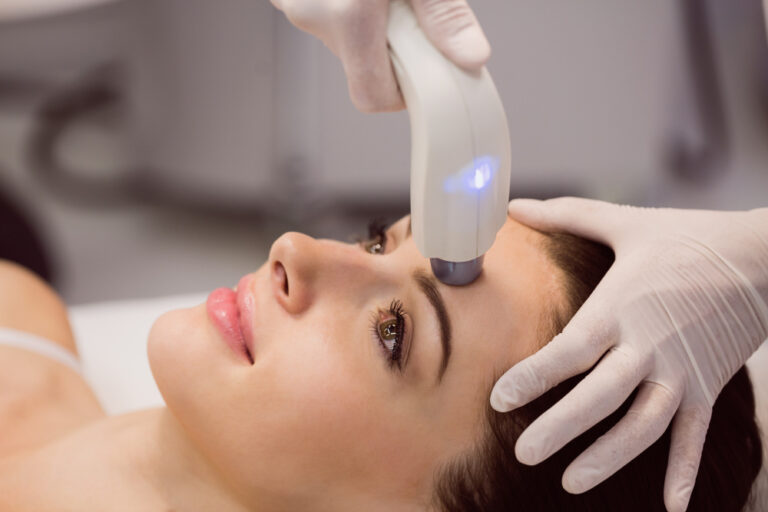
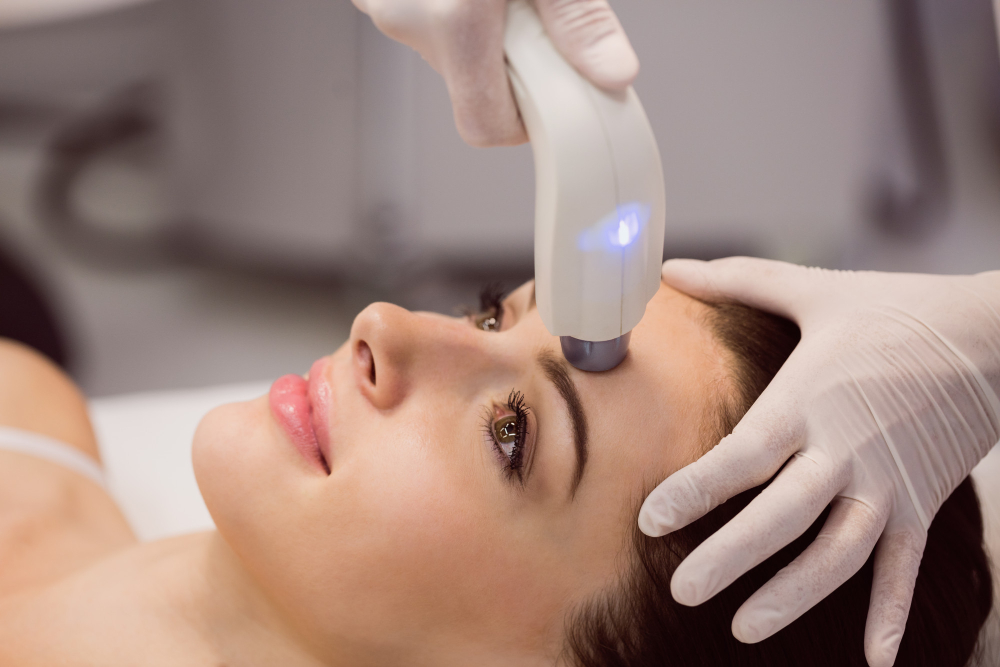
Comfort and safety are non-negotiable. AviClear™ incorporates AviCool™ sapphire cooling technology and smart sensors that monitor skin temperature in real time. Patients experience only mild warmth during treatment, with no need for numbing creams. There’s minimal downtime, just a bit of redness or swelling that fades within hours to a day or two.
Comparing AviClear™ to Other Acne Treatments
AviClear™ vs. Topical and Oral Medications
Topical creams and oral medications can be effective, but they’re rarely one-size-fits-all. Many require months of daily use and can trigger dryness, irritation, or even systemic side effects. Antibiotic resistance is another growing concern. AviClear™ offers a drug-free, targeted alternative, reducing the need for ongoing medication.
AviClear™ vs. Accutane®: Efficacy and Side Effects
Accutane® (isotretinoin) is a powerful oral medication for severe acne, but it comes with a heavy burden: potential birth defects, mental health risks, and persistent dryness. AviClear™ matches Accutane® in efficacy according to clinical trials, but without the baggage. Side effects are minimal, and there’s no risk of systemic complications.
AviClear™ vs. Other Laser Modalities
Unlike lasers that target melanin or blood vessels, AviClear™ is safe for all skin types, from the lightest to the deepest tones. Its precision targeting of the sebaceous gland sets it apart from older technologies, which can’t always distinguish between oil glands and surrounding tissue.
| Feature | AviClear™ | Accutane® | Traditional Lasers |
|————————–|——————————|————————|—————————–|
| Main Target | Sebaceous gland | Systemic (whole body) | Melanin, water, blood vessels|
| Suitable for all skin types? | Yes | Yes, but with side effects | Often limited for darker skin |
| Downtime | Minimal | Long-term side effects | Varies, possible downtime |
| Common Side Effects | Mild redness, temporary flare | Dryness, birth defects | Redness, pigmentation risks |
| Drug-free? | Yes | No | Yes |
Suitability of AviClear™ for All Skin Types and Ages
Why Does AviClear™ Work for Darker and Lighter Skin?
AviClear’s™ 1726 nm wavelength bypasses melanin, so it doesn’t trigger pigmentation changes in darker skin. Clinical studies and real-world use confirm that patients of all skin tones experience the same benefits without added risk.
Effectiveness Across Different Age Groups and Acne Types
Acne isn’t just a teenage problem. AviClear™ has shown effectiveness in hormonal acne, adult acne, and even in post-menopausal patients. Its ability to safely treat both mild and severe cases means it’s suited for a broad spectrum of ages and acne patterns.
Are There Contraindications or Safety Considerations?
AviClear™ is not recommended for those who are pregnant or nursing, as is common with many cosmetic procedures. Otherwise, it’s regarded as safe, with no serious or unexpected post-treatment effects reported.
Treatment Experience and Patient Outcomes with AviClear™
What Should Patients Expect During and After Treatment?
Treatments are straightforward: patients might feel a gentle warming sensation as the laser works. Thanks to built-in cooling, discomfort is minimal. No anesthetic is necessary, and appointments are quick.
Some may experience mild redness or a temporary acne flare in the days following treatment, an expected response as the skin adjusts. These effects are short-lived and can be managed with simple topical care.
How Many Sessions Are Needed and How Fast Are Results?
The gold standard is a series of three sessions, spaced about a month apart. Improvement is progressive and often continues for months after the final session. In clinical trials, 91 percent of patients responded to AviClear™. Four out of five saw at least half of their acne clear, and the vast majority were satisfied with their results within a month.
Clinical Study Results and Patient Satisfaction
Patients not only saw fewer breakouts, but future episodes were shorter, less intense, and less frequent. Satisfaction rates hover around 90 percent, with both teenagers and adults expressing renewed confidence in their skin.
Future of Acne Care: How Are Laser Treatments Changing the Landscape?
Reducing Dependency on Pharmaceuticals
For the first time, patients have a way to address acne at its source without daily pills or creams. This shift could reduce antibiotic resistance, eliminate the risks tied to drugs like Accutane®, and give those who are wary of medications a viable alternative.
What Is the Potential for Personalized Acne Management?
Laser treatments like AviClear™ open the door to highly customized care. By targeting the sebaceous gland, dermatologists can tailor treatment to each patient’s unique skin needs, regardless of tone, sensitivity, or age.
Broader Implications for Dermatology and Cosmetic Care
The arrival of devices like AviClear™ represents more than a technological leap. It signals a future where effective, safe, and inclusive acne care is possible for everyone. Clinics at the forefront of this revolution, such as those offering Clinique Anti Aging acne laser therapy, are helping to set new standards in dermatology.
Acne is no longer a battle that must be fought with compromise or risk. With advancements like AviClear™, clearer skin is now within reach for all, regardless of background or skin type. The future of acne care has arrived, and it’s brighter than ever.
About the Author